
Understanding Why Dogs Like to Be Pet and How to Do It
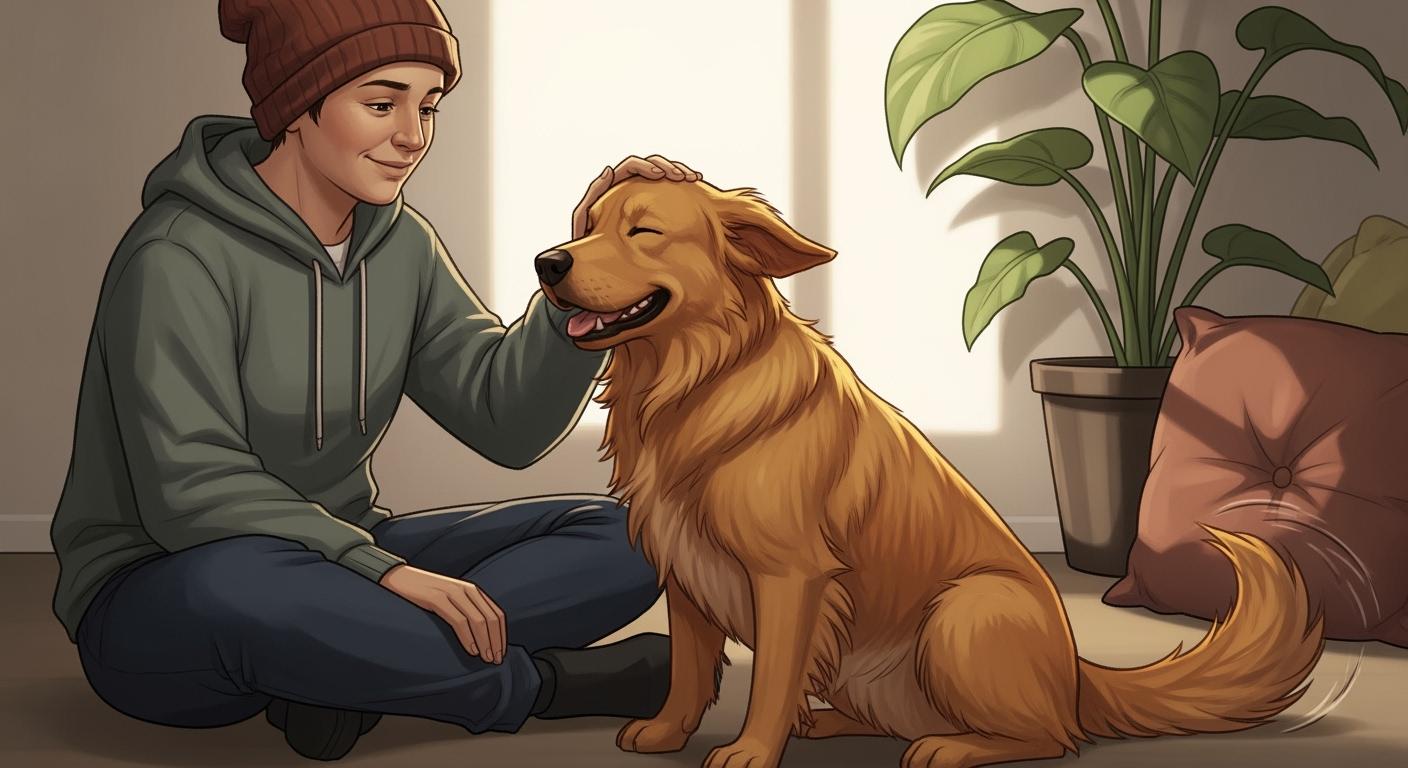
When you ask why do dogs like to be pet, science provides some interesting insights. Petting your dog raises oxytocin levels, which enhances feelings of happiness and closeness for both you and your furry friend. Here are some emotional benefits:
Evidence Type |
Description |
|---|---|
Mood Improvement |
Petting your dog can elevate your mood and help you calm down. |
Emotional Support |
Dogs offer comfort and companionship when you touch them. |
Additionally, petting fosters trust between you and your dog. Keepsakes from Pawimprint can help you maintain that sense of closeness, whether your pet is physically with you or cherished in your memories.
Key Takeaways
Petting your dog raises oxytocin. This makes you and your dog happier. It also builds trust between you and your dog.
Soft touch helps lower stress. It also reduces anxiety. You and your dog feel calmer. You both feel closer to each other.
Always watch your dog's body language. This helps you know if your dog likes being petted. It also makes sure your dog feels safe.
Why Do Dogs Like to Be Pet
Science Behind Petting
Have you ever wondered why dogs enjoy being pet? Science has some answers. When you pet your dog, both of you get more oxytocin. Oxytocin is called the "love hormone." It helps you and your dog feel happy and close. Studies show that petting raises oxytocin in both people and dogs. This makes your bond stronger and your friendship better.
When you pet your dog, oxytocin is released. This makes you and your dog feel closer. Research shows oxytocin goes up in both dogs and people during petting. This helps build a strong relationship.
In 2017, scientists checked oxytocin in dogs and owners while petting. They found oxytocin went up in both. This proves gentle touch helps you and your dog connect. Dogs get the most oxytocin when they touch their owners. This means your dog's life and your bond matter a lot. It affects how your dog feels about being touched.
Evidence Description |
Findings |
Implications |
|---|---|---|
Dogs' oxytocin levels go up with owner contact |
More oxytocin was seen in pet dogs during petting |
Shows the bond between dog and owner affects hormones during petting |
Wolves compared to dogs |
Wolves acted differently and had different hormone levels with people |
Shows that being a pet is not the only reason for oxytocin changes |
Life experience impact |
Past time with people changes oxytocin in dogs |
Shows that living as a pet dog matters for hormone changes during petting |
Emotional Benefits for Dogs and Owners
Petting does more than just feel nice. When you pet your dog, you both feel less stressed. Petting can help lower anxiety and sadness. Dogs like touch because it makes them feel safe. Your dog may act more confident when you use gentle touch every day.
Makes you feel less lonely.
Gives love and support.
Petting releases oxytocin, the 'love hormone'.
It lowers cortisol, which is the main stress hormone.
Dogs give support without judging.
They help you feel happier and calmer.
Touching dogs helps lower stress.
Gives comfort and helps you feel safe.
Petting your dog helps you too. People who spend time with dogs feel happier and less stressed. When your dog wants to be pet, it can make you feel better. Some studies show dogs like petting from owners more than food. This shows how important your bond is.
Evidence Type |
Findings |
Implications |
|---|---|---|
Experimental Study |
Dogs like petting from owners more than food |
Shows a strong bond between dog and owner, making both feel better |
Research on Oxytocin |
Petting raises oxytocin in owners |
Helps with bonding and good feelings, making people feel better |
Contact Initiation |
Dogs starting contact helps owners feel good |
Shows that dogs' affection lowers stress and makes people happier |
Comfort and Bonding
Touch is a big way you and your dog show comfort and trust. Petting helps your dog feel safe, even if they have been scared before. Moving your hand gently can calm an excited dog. It can also help a nervous dog or ease pain in older dogs. If you pet your dog before leaving, they may stay calm while you are gone. This shows how much your touch helps.
Research says that petting and looking at your dog makes your bond stronger. These moments help you both feel safe and happy. Petting teaches dogs that your touch means safety. This makes them listen and respond to you more.
Petting helps dogs, especially those with anxiety or bad memories. Gentle petting can calm excited dogs and help nervous ones. It can even help older dogs feel less pain. This shows how much comfort touch can give.
Good moments like petting raise oxytocin in dogs and people, building trust.
Lower cortisol makes time together better, showing dogs notice your feelings.
Keepsakes from Pawimprint help keep your bond strong, even if your dog is not with you. These items remind you of your dog and the times you shared.
Keepsakes like paw print ornaments remind you of your pet.
These items help you remember and honor your pet, especially when you are sad.
They let you include your pet in holidays, making special memories.
Personalized paw print ornaments and tags are special and keep memories safe.
They show the love between you and your pet.
Over 60% of pet owners remember pets during holidays, showing keepsakes matter for staying close.
When you know why dogs like to be pet, you see how important touch is. The comfort, trust, and happiness from petting last a long time. Keepsakes help you remember these good feelings forever.
How to Pet a Dog Safely
Where to Pet a Dog
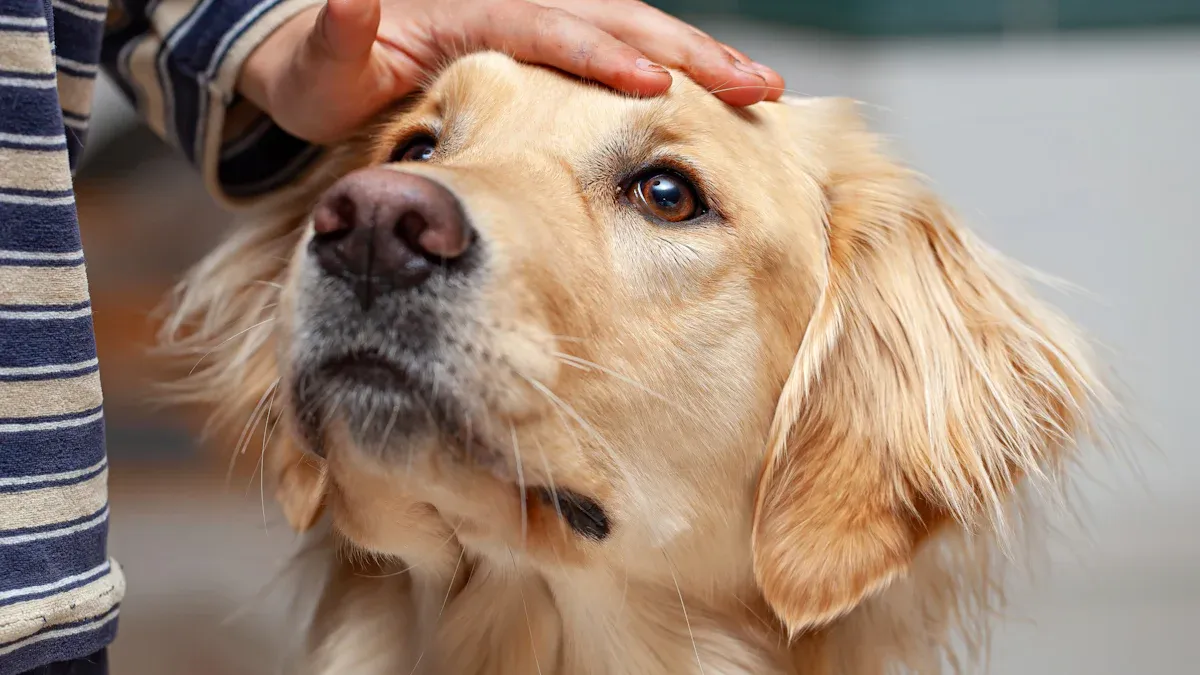
Wondering where to pet a dog? Most dogs love gentle strokes on their head, neck, chest, shoulders, and back. Some dogs roll over and show their belly, which means they trust you. If you see your dog enjoying touch, keep your movements slow and calm. Here’s a quick guide:
Area of Body |
Description |
|---|---|
Head |
Safe and enjoyable for petting. |
Neck |
Comfortable spot for most dogs. |
Chest |
|
Shoulders |
Commonly accepted area. |
Back |
Great for gentle strokes. |
Belly |
Shows trust; pet gently if exposed. |
Reading Dog Body Language
You need to watch your dog’s body language. Positive signs include relaxed posture, nudging, leaning into you, and a loose wagging tail. If your dog paws at your hand or nudges you, these are signs your dog enjoys your touch. Always look for soft eyes and a relaxed mouth. If you notice yawning, nose licking, or turning away, it’s time to stop.
Approaching Unfamiliar Dogs
If you want to know how to pet a dog you don’t know, follow these steps:
Ask the owner for consent.
Approach slowly and calmly.
Hold out your hand and let the dog come to you.
Watch for positive signs before petting.
Keep interactions brief.
Never pet a service dog without permission. Trust your instincts and respect the dog’s space.
Areas to Avoid
Some areas are best left alone. Dogs dislike being touched on their back legs, tail, feet, and the top of their head. The tummy can be sensitive, so only pet it if the dog shows trust. Avoid petting when dogs are eating.
Area to Avoid |
Reason |
|---|---|
Back legs |
Dogs dislike touch here. |
Tail |
Sensitive and uncomfortable. |
Feet and paws |
Not a common preference. |
Top of head |
Can feel intrusive. |
Tummy |
Sensitive for many dogs. |
Individual Differences in Dogs
Every dog is unique. Some breeds, like Golden Retrievers, love affection. Others, like Basenjis, prefer less physical affection. Age and past experiences change how dogs respond to petting. Let your dog come to you, use gentle movements, and respect their boundaries. If you can’t give physical affection, keepsakes from Pawimprint, like felted portraits or mini pet clones, help you feel close to your dog.
Petting your dog makes both of you feel happy and safe. When you touch your dog gently, your friendship gets stronger.
“When people and dogs respect each other, they trust more. They feel safe and rely on each other more.”
Keepsakes like felted portraits help you remember your dog and feel better.
Each dog is different. Pay attention to what your dog likes and how they act.
FAQ
How does petting your dog help you and your dog feel better?
Petting boosts oxytocin, which helps you and your dog feel happy and relaxed. Scientists say this hormone builds trust and lowers stress. 🐶
Where should you avoid petting a dog?
You should avoid touching the tail, paws, and back legs. Most dogs feel uncomfortable in these spots. Always watch for signs your dog dislikes it.
Can keepsakes help you feel close to your pet?
Keepsakes, like Pawimprint’s felted portraits, let you remember your pet. You can feel connected, even when you can’t pet your dog in person.